

Drilling control equipment plays a pivotal role in well control operations, ensuring the safety, efficiency, and success of drilling activities. Here's a detailed examination of its role:
1. Ensuring Safety
Pressure Management: Drilling control equipment, such as Blowout Preventers (BOPs) and pressure control systems, are designed to manage well pressure and prevent blowouts. These systems can quickly seal the well in case of an unexpected pressure surge, protecting personnel and equipment from harm.
Emergency Response: Advanced drilling control equipment often includes emergency shutdown systems that can automatically halt drilling operations in response to unsafe conditions, further enhancing safety.
2. Optimizing Efficiency
Automated Operations: Modern drilling control equipment often incorporates automation features that can optimize drilling parameters in real-time. This includes adjusting drilling speeds, fluid flows, and other critical factors to maximize drilling efficiency.
Data Integration: The equipment can integrate with data acquisition systems, providing operators with real-time information on well conditions and drilling performance. This data can be used to make informed decisions and adjust drilling strategies as needed.
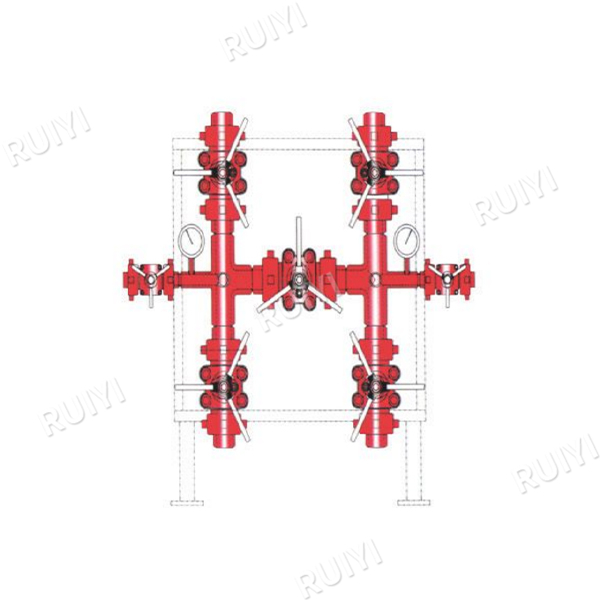
3. Monitoring and Control
Real-Time Monitoring: Drilling control equipment allows operators to monitor well conditions in real-time, including pressure, temperature, and fluid levels. This information is crucial for detecting potential problems early and taking corrective action before they escalate.
Precision Control: The equipment enables precise control over drilling operations, allowing operators to make fine adjustments to drilling parameters as needed to maintain optimal well conditions.
4. Enhancing Well Integrity
Casing and Cementing: Drilling control equipment is used to install casing and cement it in place, which is critical for maintaining well integrity and preventing fluid leaks.
Well Intervention: In the event of a well problem, drilling control equipment can be used to perform well intervention operations, such as fishing tools to retrieve lost equipment or perforating the casing to stimulate production.
5. Compliance and Regulation
Regulatory Compliance: Drilling control equipment must comply with industry standards and regulations to ensure safety and environmental protection. Operators rely on this equipment to meet regulatory requirements and avoid potential penalties.
Environmental Impact: Efficient drilling control equipment can minimize the environmental impact of drilling operations by reducing emissions, minimizing fluid spills, and ensuring proper disposal of drilling waste.
6. Cost Management
Equipment Durability: High-quality drilling control equipment is designed to withstand the harsh conditions encountered during drilling operations, reducing the frequency of repairs and replacements.
Operational Cost Savings: By optimizing drilling operations and reducing downtime, drilling control equipment can lead to significant cost savings for operators.
In conclusion, drilling control equipment plays a multifaceted role in well control operations. It ensures safety, optimizes efficiency, provides real-time monitoring and control, enhances well integrity, complies with regulations, and manages costs. This equipment is essential for the success of drilling activities and the safe, efficient recovery of natural resources.
This website uses cookies to ensure you get the best experience on our website.


 中文
 English



 Phone
Comment
(0)